
Industrial automation applications
In-Process Automation
Sage connects production steps with engineered robotic handling, conveyance and controls so material arrives at each operation in the correct position and sequence.
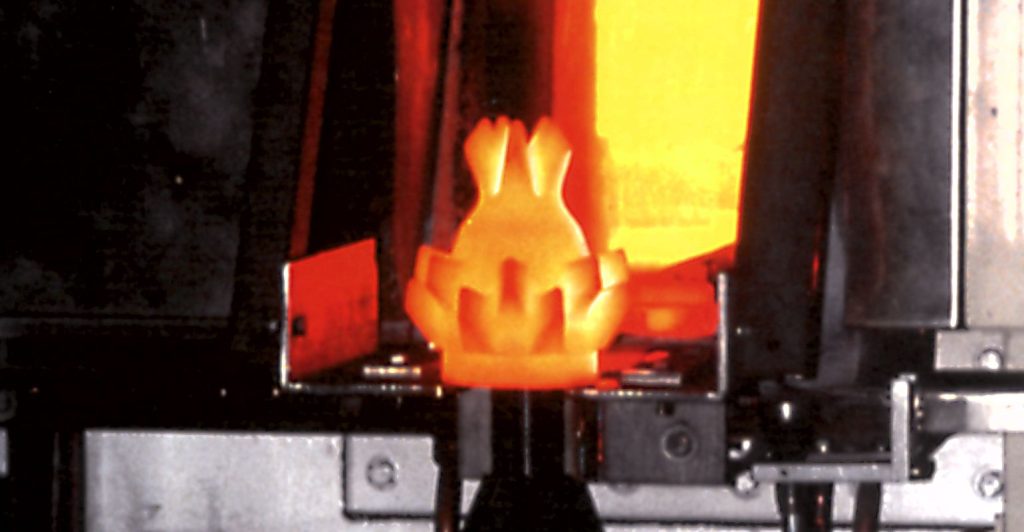
Automate the work between manufacturing processes
In-process material handling often determines whether individual machines can achieve their intended output. Parts must be transferred, oriented, queued and verified without damaging the product or creating unstable accumulation between operations.
Sage develops the robot motion, tooling, conveyors, buffers, fixtures and controls as one process. The design accounts for upstream and downstream cycle variation, product changeover, quality checks and the recovery path when a connected machine stops.
Application data to define
- Upstream and downstream cycle variation
- Required product orientation
- Buffer capacity during short stops
- Quality and traceability checkpoints
- Changeover and SKU management
- Bypass and manual operating modes
What the system can include
Process-to-process transfer
Move products between forming, machining, coating, inspection, assembly and packaging operations.
Orientation and buffering
Control product position and absorb normal cycle variation between connected machines.
Production data integration
Exchange recipes, status, quality and tracking information with plant control systems where required.
Frequently asked questions
Why is buffering important in an automated line?
Buffering prevents a brief stop at one machine from immediately stopping every connected process. The appropriate capacity depends on cycle time, reliability and product constraints.
Can Sage integrate robots with plant data systems?
Yes. The controls scope can include recipe management, production status, quality results and interfaces with supervisory or plant systems.
Continue your application research
Bring us the application data.
Share the product, payload, rate, process sequence and available layout with a Sage applications engineer.